
Suite | Enterprise, Professional and Team
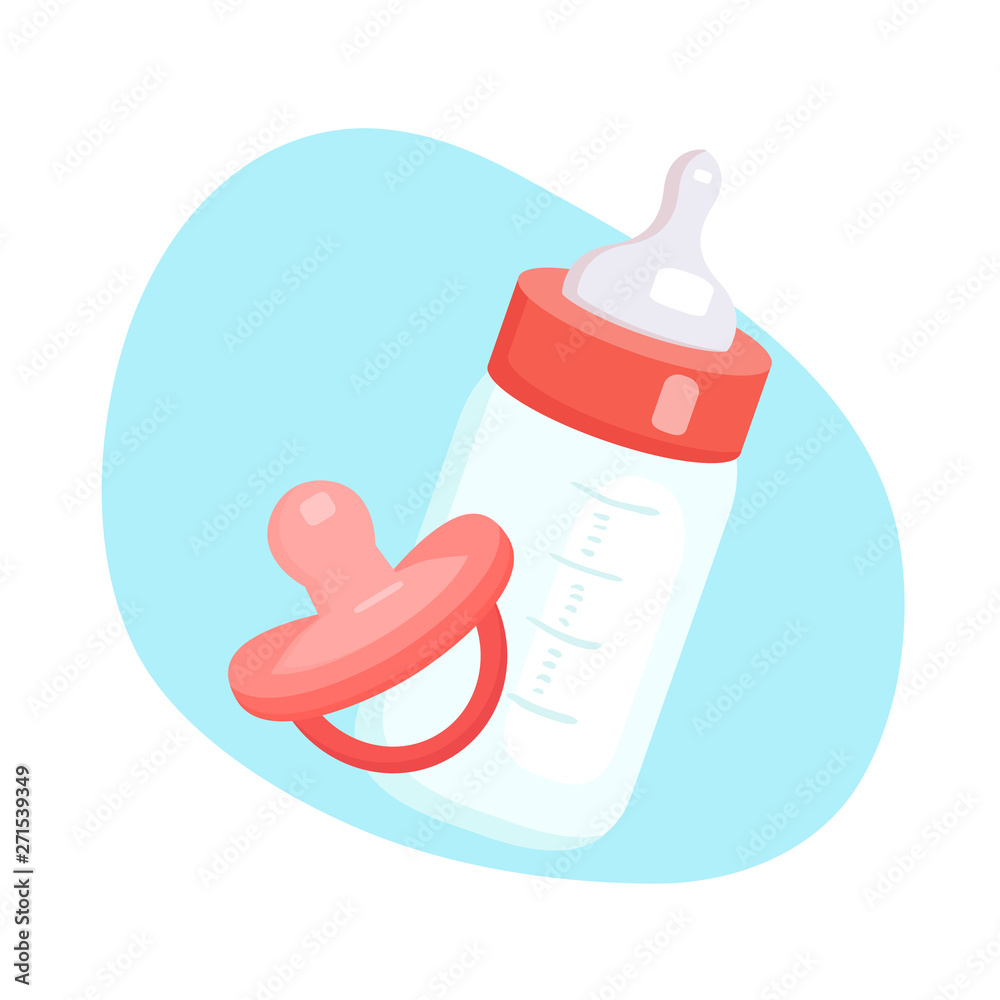
When choosing bottles and nipples for a baby, it's essential to consider factors like age, feeding preferences, and whether the baby is breastfed or formula-fed. Here's a guide to the types and features available:
Types of Bottles
- Standard Bottles
- Simple design for formula or breast milk.
- Widely available and easy to clean.
- Anti-Colic Bottles
- Designed with vents or valves to reduce air intake, preventing gas, reflux, or colic.
- Wide-Neck Bottles
- Mimic the shape of a breast, ideal for breastfed babies.
- Easier to clean due to the wider opening.
- Glass Bottles
- Durable and free of chemicals like BPA.
- Heavier and more breakable than plastic options.
- Disposable Liner Bottles
- Use pre-sterilized liners; convenient for travel.
- Less eco-friendly due to waste.
Types of Nipples
- Material
- Silicone: Durable, clear, and holds shape well.
- Latex: Softer and more flexible but less durable.
- Flow Rates
- Slow Flow: For newborns and preemies.
- Medium Flow: For babies around 3-6 months.
- Fast Flow: For older babies or thicker liquids like formula.
- Always check the packaging for recommended ages.
- Shape
- Standard Shape: Simple and narrow.
- Orthodontic Shape: Flat on one side to support oral development.
- Wide Shape: Resembles the breast, better for breastfed babies.
- Vent Features
- Some nipples have built-in vents to reduce air intake.
How Many to Start With
- Newborn Stage: 4–6 bottles (4–5 oz each).
- Older Infants: 6–8 bottles (8–9 oz each).
Tips for Choosing Bottles and Nipples
- Look for BPA-free materials.
- Choose bottles that are easy to clean and dishwasher-safe.
- If breastfeeding, select nipples that mimic the breast to avoid nipple confusion.
- Buy a few types at first to see what your baby prefers.


Comments
0 comments
Please sign in to leave a comment.